
The best way to protect your business from fire risks is by making sure your workplace is properly prepared before an emergency happens. Even a small fire can quickly spread, disrupt operations, damage property, and place employees and customers at risk if the correct precautions are not in place.
This ultimate fire safety checklist helps businesses improve workplace safety, reduce fire hazards, and maintain compliance with UK fire safety regulations. Following a structured fire safety checklist helps ensure important safety procedures are not overlooked.
What Is a Fire Safety Checklist?
A fire safety checklist is a structured guide designed to help businesses improve workplace fire safety and maintain compliance. It helps employers identify potential fire risks, improve emergency preparedness, and ensure fire safety systems remain fully operational.
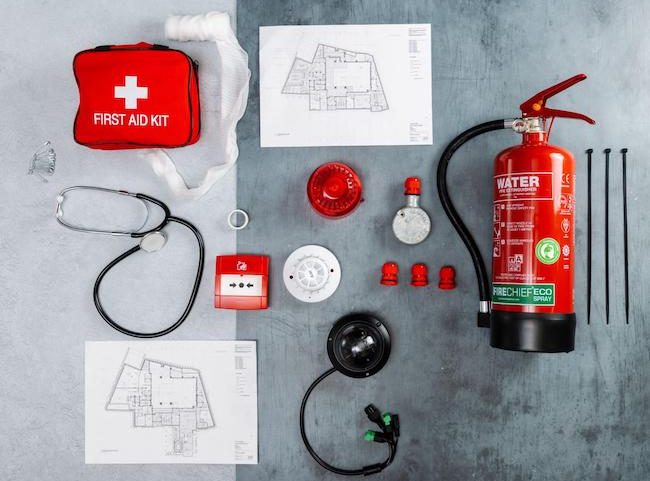
A professional fire safety checklist may include:
- fire alarm systems
- emergency lighting
- fire extinguishers
- evacuation procedures
- staff training
- electrical safety checks
Businesses improving overall workplace protection may also benefit from professional commercial fire and security solutions.
What Are the 4 Main Principles of Workplace Fire Safety?
Fire safety is an important issue for any business or organisation to consider. By following a fire-safety checklist and providing training on fire safety, businesses can minimise the risk of fire and ensure the safety of their employees. Here are the four main principles of fire safety:
1. Reduce Potential Fire Hazards
There are many potential fire hazards within offices, warehouses, hospitality venues, and commercial premises. A proper fire safety checklist should include regular inspections of electrical equipment, emergency exits, fire extinguishers, and evacuation routes.
Routine servicing and inspections help businesses identify issues before they become serious safety risks. Businesses maintaining larger commercial sites may also benefit from professional fire alarm servicing and maintenance support.
2. Monitor Fire Prone Areas
Businesses should regularly monitor higher-risk areas such as kitchens, storage rooms, electrical equipment zones, and machinery spaces. Ongoing inspections help identify hazards early and improve emergency preparedness.
Businesses improving workplace protection may also benefit from professional commercial fire detection systems.
3. Check and Maintain Fire Detection and Suppression Systems
Fire detection and suppression systems should always remain fully operational and regularly serviced. Businesses should routinely test alarms, inspect suppression systems, and ensure emergency equipment remains compliant with current regulations.
Businesses seeking guidance on workplace compliance may also benefit from professional fire risk assessment services for businesses.
4. Highlight and Maintain Emergency Exits
Emergency exits and evacuation routes should always remain clearly marked, unobstructed, and accessible. Proper exit signage and emergency lighting help employees and visitors evacuate safely during emergencies.
Businesses operating hospitality environments may also benefit from professional restaurant fire safety guidance.

Your Fire Safety Checklist
You might not think about fire safety very often, but it’s important to be prepared in case of an emergency. Having a fire-safety checklist at work ensures you’re prepared if the worst happens.
Here’s our breakdown of what a fire-safety checklist should include. However, it’s important to remember that no two workplaces are the same. Your commercial premises may have unique features that require additional steps (or may mean there are steps on the checklist you can skip). It’s also worth remembering that some business sectors have specific (and more in-depth) fire-safety guidelines.
Smoke Alarms and Fire Detection
Reliable smoke alarms and fire detection systems are one of the most important parts of any workplace fire safety strategy. Systems should be professionally installed, routinely tested, and properly maintained to ensure they function correctly during emergencies.
Fire Safety Equipment
Fire safety equipment should always be suitable for the specific risks present within your workplace. Equipment must remain accessible, regularly serviced, and compliant with current safety standards. Businesses improving wider workplace safety may also benefit from professional commercial fire extinguisher installation services.
Evacuation Systems and Emergency Warning Systems
Evacuation systems and emergency warning procedures help businesses improve emergency response times and support safer evacuations during fire incidents. Clear communication and regular training ensure employees understand how to respond safely.
Businesses managing larger workplaces may also benefit from professional commercial access control solutions.
Fire Safety Risk Assessment
Regular fire risk assessments help businesses identify hazards, reduce risks, and maintain compliance with UK fire safety regulations. Assessments should be reviewed regularly and updated whenever workplace layouts, staffing levels, or equipment change.
Businesses can also review official workplace fire safety guidance through the UK Government Fire Safety Guidance
Fire Drills
Do you have a fire drill plan in place? What if something happened and you had to evacuate your office quickly? By planning and having a solid evacuation procedure in place, you can help ensure your safety and that of your employees and customers.
- Hold regularly-scheduled fire drills attended by all members of your team (and include processes for evacuating customers who are not aware of your evacuation plan).
- Have a designated fire-safety warden who will plan and conduct all fire drills.
- Ensure all employees have been shown the relevant evacuation routes, as well as all fire assembly points.
- Have a system in place that makes it easy to check that nobody is left in the building.

Electrical Risks
Electrical faults remain one of the leading causes of workplace fires. Regular inspections of wiring, machinery, sockets, and electrical equipment help businesses identify problems before they become serious hazards.
Businesses improving wider workplace protection may also benefit from professional commercial security maintenance support.
Storage Checklist
Proper storage management is an important part of workplace fire prevention. Flammable materials, chemicals, and combustible waste should always be stored safely away from heat sources and electrical equipment. Businesses should also ensure storage areas remain clean, ventilated, and free from unnecessary clutter to reduce fire risks.
Kitchen Safety
Kitchen environments present higher fire risks because of cooking equipment, heat sources, oils, and ventilation systems. Businesses operating kitchens should carry out regular equipment inspections and ensure suitable extinguishers remain accessible at all times.
Extra Fire Safety Checklist Items
Some businesses may require additional fire safety measures depending on their industry, building layout, and operational risks. Smoking areas, waste management procedures, and arson prevention strategies should all be reviewed regularly as part of a complete fire safety checklist.
Industry-specific fire safety requirements should also be included to ensure compliance standards are maintained.
Start your Fire Safety Checklist Now
Businesses should take a proactive approach to workplace fire safety by maintaining systems regularly, training employees properly, and reviewing emergency procedures consistently. Preventive planning helps reduce risks, improve compliance, and protect employees, visitors, and commercial property.
Businesses looking for complete workplace protection can also explore the Astoria Fire & Security homepage for additional fire safety and security services.
Frequently Asked Questions
What is fire system maintenance?
Fire system maintenance is the regular inspection, servicing, testing, and repair of fire safety systems to ensure they operate correctly during emergencies.
Why is fire system maintenance important for businesses?
Regular fire system maintenance helps businesses reduce fire risks, prevent system failures, maintain compliance, reduce false alarms, and improve workplace safety.
Is fire system maintenance a legal requirement in the UK?
Yes. UK fire safety regulations require businesses to maintain fire alarm systems and fire protection equipment in efficient working order.
How often should commercial fire alarm systems be inspected?
Inspection frequency depends on the type of system and workplace risks, but commercial fire alarm systems should be professionally serviced regularly to maintain compliance and reliability.
Can poor fire system maintenance invalidate insurance?
Yes. Many business insurance policies require fire protection systems to be properly maintained. Poor maintenance may affect insurance claims after fire incidents.
Who can carry out fire system maintenance?
Fire system maintenance should always be carried out by qualified fire safety professionals with experience in commercial fire alarm systems and UK fire safety regulations.